




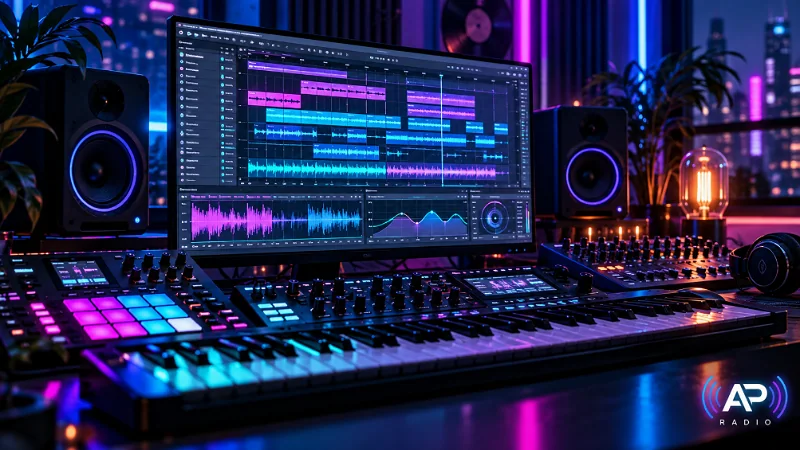
Behind every electronic music track is a creative process that listeners rarely get to see. Sometimes it starts with a simple drum pattern. Other times, a melody, an unexpected sound or a spontaneous idea becomes the foundation of an entirely new production.
In genres like House, Tech House and Trance, even a few carefully selected elements can create something memorable. But turning an initial idea into a finished track involves much more than choosing the right software.
Every Track Starts with an Idea
Creating electronic music no longer requires a large professional recording studio. Many producers develop their tracks at home using computers, digital audio workstations, synthesizers, headphones and studio monitors.
The first building block is often the rhythm.
A powerful kick drum drives the energy, the bassline provides a solid foundation, and additional percussion elements establish the groove.
House music often emphasizes rhythm and flow. Tech House focuses on precision, punch and movement, while Trance frequently develops around melodies and evolving musical atmospheres.
However, there is no single formula for making a great track. Every producer has a different approach, and that diversity is one of the things that makes electronic music so exciting.
Creating a Signature Sound
Once the basic idea begins to take shape, the focus shifts toward arrangement and sound design.
Producers decide which elements should lead the track, how different instruments interact and when new sounds should enter the arrangement.
Small details can make a remarkable difference.
The relationship between kick and bass, the space between instruments and subtle rhythmic variations can completely change the way a track feels.
Energy is particularly important in club music. A well-produced track should translate effectively from headphones to powerful club sound systems, where low frequencies play a major role in the listening experience.
Mixing and Mastering – The Final Touch
Completing an arrangement is only part of the production process.
During mixing, the producer or audio engineer balances individual sounds, controls dynamics and creates clarity throughout the frequency spectrum.
Mastering takes the final mix and prepares it for distribution and playback across different listening environments.
The goal is not simply to make a track louder. A strong master preserves musical balance, punch, clarity and the energy of the original production.
These final stages help transform a creative idea into a polished recording ready for listeners.
Bringing Music to the Audience
Finishing a track is a special moment for any producer.
What started as a simple idea becomes a complete piece of music that can reach listeners around the world.
Streaming platforms, online communities and internet radio stations have created new opportunities for electronic music to find its audience.
Internet radio offers a particularly simple listening experience. Instead of constantly searching for tracks or building playlists, listeners can enjoy a continuous selection of music and discover new sounds along the way.
AP Radio – A Home for Electronic Sounds
At AP Radio, music always comes first.
From House and Deep House to Tech House, Trance and other club-inspired electronic styles, AP Radio brings electronic sounds together in a continuous listening experience.
Created from a passion for music production, driving rhythms and memorable melodies, the station is designed for people who love electronic music.
Whether you're interested in how music is produced or simply enjoy a powerful electronic beat, AP Radio provides a place to listen without commercials or unnecessary interruptions.
AP Radio – Electronic Music. Non Stop.